---
title: Common Drying Mistakes That Slow Down Water Jobs
description: Drying delays can cost restoration pros time and money. Learn five common drying mistakes that slow down water jobs and how to avoid them.
image: https://blog.aramsco.com/hubfs/Copy%20of%20Copy%20of%20Copy%20of%20Copy%20of%20Copy%20of%20Copy%20of%20Copy%20of%20How%20to%20Maintain%20Your%20Equipment%20to%20Extend%20Lifespan%20(1).png
---
- [Home](https://aramsco.com)
- [Pro's Corner](https://blog.aramsco.com)
[](https://www.aramsco.com/)
- [Home](https://aramsco.com)
- [Pro's Corner](https://blog.aramsco.com)
- Account
- [locations](http://aramsco-live.epicorcommerce.com/locations/)
- [education](http://aramsco-live.epicorcommerce.com/education/)
- [about us](http://aramsco-live.epicorcommerce.com/aboutus/)
# Pro's Corner
## [Common Drying Mistakes That Slow Down Water Jobs](https://blog.aramsco.com/common-drying-mistakes-that-slow-down-water-jobs)
Posted by Aramsco Technical Staff on Jul 02nd 2026
Common Drying Mistakes That Slow Down Water Jobs
4:51
.png?width=1200&height=628&name=Copy%20of%20Copy%20of%20Copy%20of%20Copy%20of%20Copy%20of%20Copy%20of%20Copy%20of%20How%20to%20Maintain%20Your%20Equipment%20to%20Extend%20Lifespan%20(1).png)
Water damage jobs move fast. The first few hours matter, and the decisions made early can affect how long the job takes, how much equipment is needed, and how satisfied the customer is when the work is done.
Even experienced restoration crews can run into drying delays. Sometimes it is missed moisture. Sometimes it is poor airflow. Sometimes the equipment is working, but the setup is not giving the building the best chance to dry.
Here are five common drying mistakes that can slow down water damage jobs.
## 1. Not Finding All the Moisture
One of the biggest mistakes on a water job is assuming the wet area stops where the water is visible.
Water can travel under flooring, behind baseboards, into wall cavities, under cabinets, and into adjoining rooms. A carpet may feel dry on top while the pad underneath is saturated. A wall may look fine while moisture is trapped behind it.
That is why moisture mapping matters. Technicians should inspect beyond the obvious wet areas and use the right meters to track where the water has gone. The better the inspection, the better the drying plan.
Missed moisture almost always slows the job down. It can also lead to odors, material damage, and additional work that could have been avoided.
## 2. Waiting Too Long to Start Drying
On a busy day, it can be tempting to extract the standing water, place a few [air movers](https://www.aramsco.com/equipment-instruments/drying/air-movers.html?category=23%2C64%2C66), and plan to finish the setup later. The problem is that moisture does not wait.
The longer materials stay wet, the harder the job can become. Wet carpet, pad, drywall, trim, insulation, and subflooring all need the right attention as early as possible.
Fast action helps limit secondary damage and gives the drying equipment a better chance to do its job. That does not mean rushing through the inspection. It means building a clear plan and getting extraction, airflow, and dehumidification started as soon as conditions allow.
A strong start can save a lot of time later.
## 3. Poor Air Mover Placement 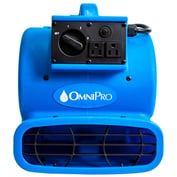
[Air movers](https://www.aramsco.com/equipment-instruments/drying/air-movers.html?category=23%2C64%2C66) are not just there to blow air around the room. They need to be placed with a purpose.
Poor placement can leave dead spots, slow evaporation, or push humid air into areas where it does not belong. Too few air movers can slow the job down, but too many placed incorrectly can also create problems.
Crews should think about the wet materials, the layout of the room, the direction of airflow, and the drying goal. Walls, flooring, cabinets, closets, and tight spaces may all need different airflow strategies.
Good airflow helps move moisture out of materials. Bad airflow can make a job look busy without making it dry faster.
## 4. Not Controlling Humidity
Air movement is only part of the drying process. Once moisture evaporates out of wet materials, it has to go somewhere.
If humidity is not controlled, the air can become loaded with moisture. When that happens, drying slows down. In some cases, moisture can even move into areas that were not part of the original loss. 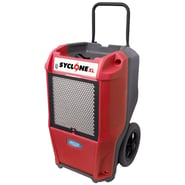
That is where dehumidification comes in. The right [dehumidifier](https://www.aramsco.com/equipment-instruments/drying/dehumidifiers.html?category=23%2C64%2C74) setup helps remove moisture from the air so wet materials can continue to dry. Equipment should be matched to the size of the job, the amount of water, the building conditions, and the drying chamber.
[Air movers](https://www.aramsco.com/equipment-instruments/drying/air-movers.html?category=23%2C64%2C66) help release moisture. [Dehumidifiers](https://www.aramsco.com/equipment-instruments/drying/dehumidifiers.html?category=23%2C64%2C74) help remove it. Both need to work together.
## 5. Not Monitoring the Job Closely Enough
A drying setup is not something to “set and forget.”
Conditions can change quickly. Equipment may get unplugged. Doors may be left open. A customer may turn off the HVAC. A [dehumidifier](https://www.aramsco.com/equipment-instruments/drying/dehumidifiers.html?category=23%2C64%2C74) may need to be emptied or adjusted. Materials that looked like they were drying may stall.
Regular monitoring helps crews catch these issues early. Moisture readings, humidity levels, temperature, equipment performance, and material conditions should be checked and documented throughout the job.
Monitoring also helps show progress. That matters for the customer, the adjuster, and the restoration company. Without good documentation, it becomes harder to prove what was done and why the job took the time it did.
Drying delays are not always caused by the equipment. Many times, they come from small mistakes in inspection, setup, humidity control, or monitoring.
The best water damage crews build good habits into every job. They find the moisture, start quickly, place equipment with a purpose, control the environment, and keep checking progress until the job is truly dry.
Getting water jobs done right takes more than placing equipment. It takes a drying plan.
**Need help choosing the right [drying equipment](https://www.aramsco.com/equipment-instruments/drying.html?category=23%2C64), [moisture meters](https://www.aramsco.com/equipment-instruments/meters-testing/moisture-meters.html?category=23%2C80%2C81), [air movers](http://aramsco.com/equipment-instruments/drying/air-movers.html), [dehumidifiers](http://aramsco.com/equipment-instruments/drying/dehumidifiers.html), or [restoration supplies](https://www.aramsco.com/restore)? [Aramsco](https://www.aramsco.com/) has the professional tools, products, and expertise to help restoration pros keep water jobs moving.**
[Aramsco Restore](https://blog.aramsco.com/tag/aramsco-restore)
- [Tweet](https://twitter.com/share)
[**BLOG HOME**](https://blog.aramsco.com/)
**Where the professionals go to learn about:**
- lead and asbestos abatement
- professional cleaning
- mold, fire, and water restoration
- concrete surface preparation
- business management
### Subscribe to Blog
Search Search Google
### Recent Posts
### Posts by Topic
- [Business (41)](https://blog.aramsco.com/tag/business)
- [Aramsco Clean (35)](https://blog.aramsco.com/tag/aramsco-clean)
- [Aramsco Restore (28)](https://blog.aramsco.com/tag/aramsco-restore)
- [carpet cleaning (27)](https://blog.aramsco.com/tag/carpet-cleaning)
- [Chemistry (19)](https://blog.aramsco.com/tag/chemistry)
- [Rugs (14)](https://blog.aramsco.com/tag/rugs)
- [Carpet (12)](https://blog.aramsco.com/tag/carpet)
- [Aramsco Surface (11)](https://blog.aramsco.com/tag/aramsco-surface)
- [target marketing (11)](https://blog.aramsco.com/tag/target-marketing)
- [Concrete (10)](https://blog.aramsco.com/tag/concrete)
- [Education (9)](https://blog.aramsco.com/tag/education)
- [deodorization (9)](https://blog.aramsco.com/tag/deodorization)
- [special agents (9)](https://blog.aramsco.com/tag/special-agents)
- [upholstery cleaning (9)](https://blog.aramsco.com/tag/upholstery-cleaning)
- [Carpet Presprays (8)](https://blog.aramsco.com/tag/carpet-presprays)
- [Tile & Grout (8)](https://blog.aramsco.com/tag/tile-grout)
- [customer service (8)](https://blog.aramsco.com/tag/customer-service)
- [encapsulation (8)](https://blog.aramsco.com/tag/encapsulation)
- [COVID-19 (7)](https://blog.aramsco.com/tag/covid-19)
- [Spotting (7)](https://blog.aramsco.com/tag/spotting)
- [Stain Removal (7)](https://blog.aramsco.com/tag/stain-removal)
- [Surface Preparation (6)](https://blog.aramsco.com/tag/surface-preparation)
- [Business Finance (5)](https://blog.aramsco.com/tag/business-finance)
- [Customer communication and storytelling (5)](https://blog.aramsco.com/tag/customer-communication-and-storytelling)
- [Grow your business (5)](https://blog.aramsco.com/tag/grow-your-business)
- [carpet protector (5)](https://blog.aramsco.com/tag/carpet-protector)
- [Equipment (4)](https://blog.aramsco.com/tag/equipment)
- [Flooring (3)](https://blog.aramsco.com/tag/flooring)
- [concrete surface preparation (3)](https://blog.aramsco.com/tag/concrete-surface-preparation)
- [sales (3)](https://blog.aramsco.com/tag/sales)
- [IICRC Classes (2)](https://blog.aramsco.com/tag/iicrc-classes)
- [Restoration (2)](https://blog.aramsco.com/tag/restoration)
- [Targeted Marketing (2)](https://blog.aramsco.com/tag/targeted-marketing)
- [Trauma Cleaning (2)](https://blog.aramsco.com/tag/trauma-cleaning)
- [Truckmount (2)](https://blog.aramsco.com/tag/truckmount)
- [carpet coloring (2)](https://blog.aramsco.com/tag/carpet-coloring)
- [Aramsco Service (1)](https://blog.aramsco.com/tag/aramsco-service)
- [Customer Acquisition (1)](https://blog.aramsco.com/tag/customer-acquisition)
- [fiber identification (1)](https://blog.aramsco.com/tag/fiber-identification)
- [news releases (1)](https://blog.aramsco.com/tag/news-releases)
- [portables (1)](https://blog.aramsco.com/tag/portables)
See all
### Blog Archive
- [Tom Forsythe (130)](https://blog.aramsco.com/author/tom-forsythe)
- [Drew Crawford (50)](https://blog.aramsco.com/author/drew-crawford)
- [Aramsco Technical Staff (26)](https://blog.aramsco.com/author/aramsco-technical-staff)
- [Scott Warrington (18)](https://blog.aramsco.com/author/scott-warrington)
- [Jared Twitchell (15)](https://blog.aramsco.com/author/jared-twitchell)
- [Alex Morrill (12)](https://blog.aramsco.com/author/alex-morrill)
- [Steve Johnson (7)](https://blog.aramsco.com/author/steve-johnson)
- [Angela Buckendorf (5)](https://blog.aramsco.com/author/angela-buckendorf)
- [Rachel Adams (4)](https://blog.aramsco.com/author/rachel-adams)
- [Ron Colling (3)](https://blog.aramsco.com/author/ron-colling)
- [Seth Gifford (2)](https://blog.aramsco.com/author/seth-gifford)
- [Nancy Macdonald (2)](https://blog.aramsco.com/author/nancy-macdonald)
- [Gregg Sargent (2)](https://blog.aramsco.com/author/gregg-sargent)
- [Angela Buckendorf & Drew Crawford (1)](https://blog.aramsco.com/author/angela-buckendorf-drew-crawford)
- [Savaana Sihapanya (1)](https://blog.aramsco.com/author/savaana-sihapanya)
- [Dane Gregory (1)](https://blog.aramsco.com/author/dane-gregory)
- [Sandra Hummel (1)](https://blog.aramsco.com/author/sandra-hummel)
- [Luke Draeger (1)](https://blog.aramsco.com/author/luke-draeger)
- [Doyle Bloss (1)](https://blog.aramsco.com/author/doyle-bloss)
- [Tim Schaelling (1)](https://blog.aramsco.com/author/tim-schaelling)
- [Lucas Whitmer (1)](https://blog.aramsco.com/author/lucas-whitmer)
- [Schyler Lewis (1)](https://blog.aramsco.com/author/schyler-lewis)
- [Drew Crawford & Alex Morrill (1)](https://blog.aramsco.com/author/drew-crawford-alex-morrill)
- [Michelle Smith (1)](https://blog.aramsco.com/author/michelle-smith)
See all
#### Current Promotions
Great deals on abatement, safety, surface preparation, and carpet cleaning equipment and chemicals!
[Click to Save](https://aramsco.com/on-sale.html)
#### Online Catalog
All the restoration, safety, cleaning and surface preparation products you need in glossy, digital print.
[See Products](https://cx.aramsco.com/?__hstc=88961988.ca7266f9997610aee14ebd89f4f37653.1557724048361.1557724048361.1557730574295.2&__hssc=88961988.1.1557730574295&__hsfp=35742670)
#### Nexus Conference
Updates on the industry's top conference. Demos, Education, Networking,
and Fun!
[Learn More](https://nexus.aramsco.com/?__hstc=88961988.ca7266f9997610aee14ebd89f4f37653.1557724048361.1557724048361.1557730574295.2&__hssc=88961988.1.1557730574295&__hsfp=35742670)
- Shop By Categories
- [Air Scrubbers](https://www.aramsco.com/equipment-instruments/negative-air-air-scrubbers.html)
- [Carpet Cleaning Chemicals](https://www.aramsco.com/chemicals/cleaning.html)
- [Cleaning Equipment](https://www.aramsco.com/equipment-instruments/cleaning-equipment.html)
- [Cleaning Tools](https://www.aramsco.com/tools-supplies/cleaning-tools-supplies.html)
- [Concrete Grinding](https://aramsco.com/equipment-instruments/grinders-polishers.html)
- [Disinfectants & Antimicrobials](https://www.aramsco.com/chemicals/disinfectants-antimicrobials.html)
- [Drying Equipment](https://www.aramsco.com/equipment-instruments/drying.html)
- [Floor Scrapers](https://www.aramsco.com/equipment-instruments/scrapers.html)
- [Mastic Removers](https://www.aramsco.com/chemicals/adhesive-coating-removers.html)
- [Odor Neutralizers](https://www.aramsco.com/chemicals/odor-control.html)
- [Poly Sheeting](https://www.aramsco.com/plastics-adhesives/poly-sheeting.html)
- [Respirators](https://www.aramsco.com/safety-ppe/respirators-respiratory-protection.html)
- [Shot Blasting](https://www.aramsco.com/equipment-instruments/shot-abrasive-blasting.html)
- [Thermal Imaging](https://www.aramsco.com/equipment-instruments/meters-testing/infrared-temperature.html)
- [Vacuums](https://www.aramsco.com/equipment-instruments/vacuums.html)
- Resources
- [Pro's Corner](https://blog.aramsco.com)
- [Classifieds](https://classifieds.aramsco.com/)
- [Monthly Ad](https://cx.aramsco.com/)
- [Education Schedule](https://www.cvent.com/c/calendar/ab53c6cb-fee0-44a6-a384-c51a2a4b32c0)
- [Equipment Financing](https://aztecfinancial.com/)
- [Equipment Rental](https://www.aramsco.com/training-rentals-repairs)
- [Equipment Repair](https://www.aramsco.com/training-rentals-repairs)
- [Site Map](https://www.aramsco.com/training-rentals-repairs)
- Company Info
- [About Us](https://www.aramsco.com/aboutus)
- [Careers](https://workforcenow.adp.com/jobs/apply/posting.html?client=aramsco&ccId=19000101_000001&type=MP&lang=en_US)
- [Contact Us](https://www.aramsco.com/contact)
- [News](https://www.aramsco.com/news)
- OUR BRANDS
- [Aztec Financial](https://aztecfinancial.com/)
- [NSS](https://nssusa.com/)
- [Safety Express](http://safetyexpress.com/?__hstc=88961988.ca7266f9997610aee14ebd89f4f37653.1557724048361.1557724048361.1557730574295.2&__hssc=88961988.2.1557730574295&__hsfp=35742670)
- Policies
- [Privacy Policy](https://www.aramsco.com/privacy-policy)
- [Return Policy](https://www.aramsco.com/terms-conditions#returns)
- [Shipping Policy](https://www.aramsco.com/terms-conditions#shipping)
- [Terms & Conditions](https://www.aramsco.com/terms-conditions)
- Corporate Location
- Find a location Near You
- [Location image](https://www.aramsco.com/locations)
Corporate Location
- Aramsco, Inc.
Five Radnor Corporate Center
100 Matsonford Road Suite 510
Radnor, PA 19087
- (800) 767-6933
- customer.service@aramsco.com
Copyright © 2025 Aramsco. All rights reserved.
```json
{
"@context" : "https://schema.org",
"@type" : "BlogPosting",
"author" : {
"@type" : "Person",
"name" : "Aramsco Technical Staff",
"url" : "https://blog.aramsco.com/author/aramsco-technical-staff"
},
"dateModified" : "2026-07-02T15:21:05.481Z",
"datePublished" : "2026-07-02T15:21:05.000Z",
"headline" : "Common Drying Mistakes That Slow Down Water Jobs",
"image" : [ "https://blog.aramsco.com/hubfs/Copy%20of%20Copy%20of%20Copy%20of%20Copy%20of%20Copy%20of%20Copy%20of%20Copy%20of%20How%20to%20Maintain%20Your%20Equipment%20to%20Extend%20Lifespan%20(1).png" ],
"mainEntityOfPage" : {
"@id" : "https://blog.aramsco.com/common-drying-mistakes-that-slow-down-water-jobs",
"@type" : "WebPage"
},
"publisher" : {
"@type" : "Organization",
"logo" : {
"@type" : "ImageObject",
"url" : "https://blog.aramsco.com/hubfs/Logos/Aramsco%20R%20Family%20-%20Equipped%20for%20Success.png"
},
"name" : "Aramsco"
}
}
```