
Hurricane season can bring significant opportunities—and significant challenges—for restoration professionals. Storm timing, severity, location, and the amount of resulting damage can vary dramatically from year to year. When a major storm does make landfall, restoration companies may suddenly face increased demand for crews, equipment, and supplies.
That uncertainty makes preparation especially important.
Having the right restoration equipment ready before a storm hits can help your team respond quickly, serve more customers, and begin mitigation work when affected communities need it most. Instead of waiting until demand spikes, restoration professionals can use the months leading into peak hurricane activity to evaluate their equipment, inventory, and overall readiness.
Here are some important considerations when preparing your restoration business for hurricane season.
Understanding Hurricane Season
The Atlantic hurricane season officially runs from June through November, with activity typically reaching its peak between mid-August and mid-October.
While it is impossible to predict exactly when or where a hurricane will make landfall, restoration contractors can prepare for many of the types of damage these storms commonly leave behind.
High winds, heavy rainfall, storm surge, flooding, and flying debris can create widespread damage to residential and commercial properties. For restoration professionals, being prepared means understanding the potential severity of a storm and having the resources needed to respond.
Common Types of Hurricane Damage
Water and Flood Damage
Water damage is one of the most destructive consequences of hurricanes. Heavy rain, storm surge, and flooding can introduce large amounts of water into homes and commercial buildings.
Floodwater can also contain contaminants, bacteria, chemicals, and other potentially harmful materials. The longer excess water remains inside a structure, the greater the potential for additional damage.
For restoration professionals, rapid water extraction and structural drying are critical. Moisture can migrate into flooring, drywall, insulation, wall cavities, and other areas that may not be immediately visible. If these materials remain wet, conditions can become favorable for microbial growth and additional property damage.
Roof, Window, and Door Damage
High winds and flying debris can damage roofs, windows, doors, and other parts of the building envelope.
Even after a hurricane has passed, damaged openings can allow additional rain and moisture into a structure. Identifying and addressing these vulnerabilities as quickly as conditions safely allow can help limit secondary damage to the interior.
Restoration Equipment That Makes a Difference
Following a major storm, water removal and structural drying are often among the first steps toward recovery. Restoration contractors need equipment that can perform reliably in demanding environments and move efficiently from one loss site to another.
Before hurricane season reaches its peak, consider evaluating the condition and availability of these essential equipment categories.
Portable Water Extractors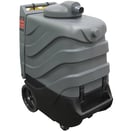
Removing standing water is a priority following many flooding events. Portable extraction equipment allows restoration professionals to remove excess water from affected areas and begin the drying process.
Efficient extraction can reduce the amount of moisture that must later be removed through evaporation and dehumidification, helping move the restoration process forward.
Dehumidifiers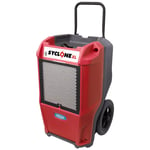
Dehumidifiers remove moisture from the air and are an essential component of structural drying.
This becomes particularly important in humid environments, where evaporation and drying can take longer. Low Grain Refrigerant (LGR) dehumidifiers are commonly used by restoration professionals because they are designed to produce lower humidity levels and continue removing moisture under demanding drying conditions.
Before storm season, contractors should evaluate whether they have enough dehumidification capacity to support an increase in water-loss projects.
Air Movers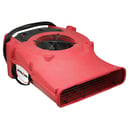
Air movers help circulate air across wet materials and surfaces, promoting evaporation and supporting the overall drying process.
Because water damage can affect everything from carpeting and flooring to drywall and structural materials, restoration professionals often deploy multiple air movers throughout a property to establish effective airflow.
Having an adequate inventory of reliable, portable air movers can be particularly important when responding to multiple losses following a major weather event.
Air Scrubbers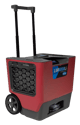
Restoration work can introduce or disturb airborne particles, including dust, fungal spores, and other contaminants.
Air scrubbers equipped with appropriate filtration can help capture airborne particles and improve air quality within the work environment. They can be an important part of maintaining cleaner conditions during restoration and remediation projects.
Moisture Meters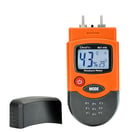
Successful structural drying requires more than removing visible water.
Moisture meters allow restoration professionals to identify and monitor moisture within building materials, including areas where moisture may not be visible from the surface. Regular readings can help technicians document conditions, monitor drying progress, and determine when materials have reached appropriate drying goals.
Accurate moisture documentation can also play an important role when working with property owners, adjusters, and insurance carriers.
Prepare Before the Storm
When a hurricane is approaching, demand for restoration equipment and supplies can increase quickly. Waiting until a storm makes landfall to evaluate your inventory may leave your team competing for the same resources as contractors throughout the affected region.
Before peak hurricane season, take time to inspect your equipment, identify potential gaps, and make sure your team has the supplies needed to mobilize quickly.
Consider reviewing:
- Water extraction equipment
- Dehumidifiers
- Air movers
- Air scrubbers and replacement filters
- Moisture meters and monitoring equipment
- Extension cords and power distribution equipment
- PPE and safety supplies
- Containment materials
- Cleaning and antimicrobial products
- Replacement parts and routine maintenance items
Preparation cannot eliminate the uncertainty of hurricane season, but it can put your restoration business in a stronger position when the call comes.
Be Ready to Respond
For restoration professionals, hurricane preparedness is ultimately about response readiness. The right equipment, supplies, and planning can help your crews mobilize faster and begin helping property owners recover sooner.
Review your hurricane-season inventory now, make sure critical equipment is in working condition, and address shortages before demand increases.
Aramsco is here to help restoration professionals prepare for hurricane season with the equipment, supplies, and expertise needed before, during, and after the storm.